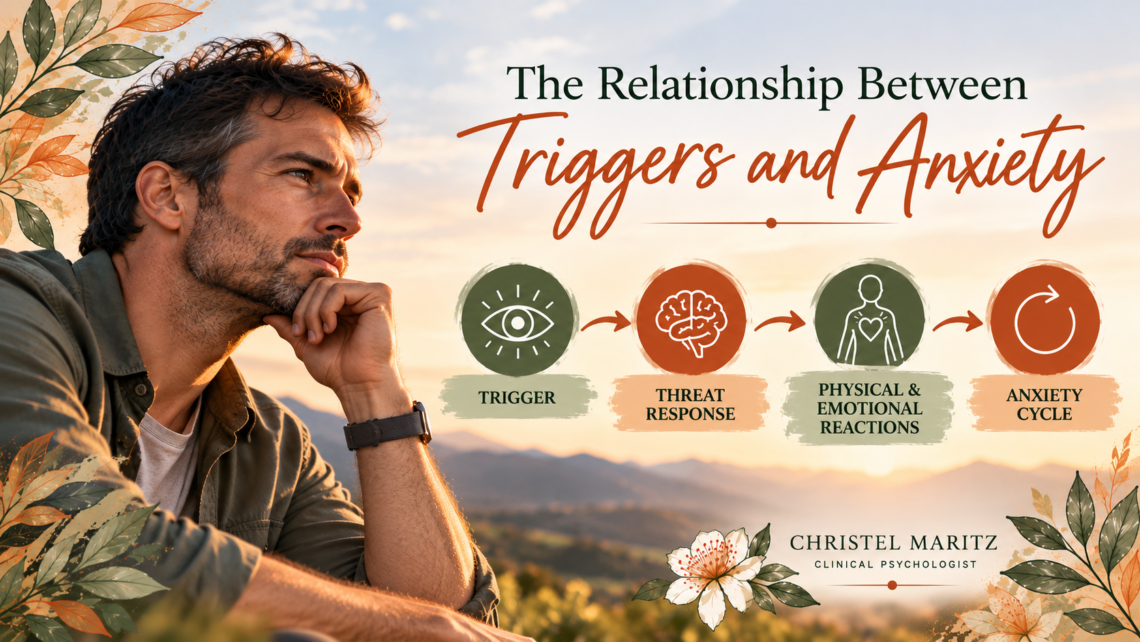
Anxiety, often referred to as the silent thief of joy, manifests in various forms and can sometimes disguise itself as something else. Identifying whether what you’re experiencing is anxiety or another issue is the crucial first step towards effective management. While it’s normal to feel anxious in certain situations, persistent and overwhelming feelings of unease, fear, or worry may indicate an underlying anxiety disorder.
One way to distinguish anxiety from other emotions is by paying attention to its physical and emotional symptoms. Physical signs may include rapid heartbeat, sweating, trembling, and difficulty breathing, while emotional indicators may encompass persistent negative thoughts, restlessness, irritability, and trouble concentrating. Understanding these cues can help individuals recognize when anxiety is at play and seek appropriate support.
Identify Anxiety
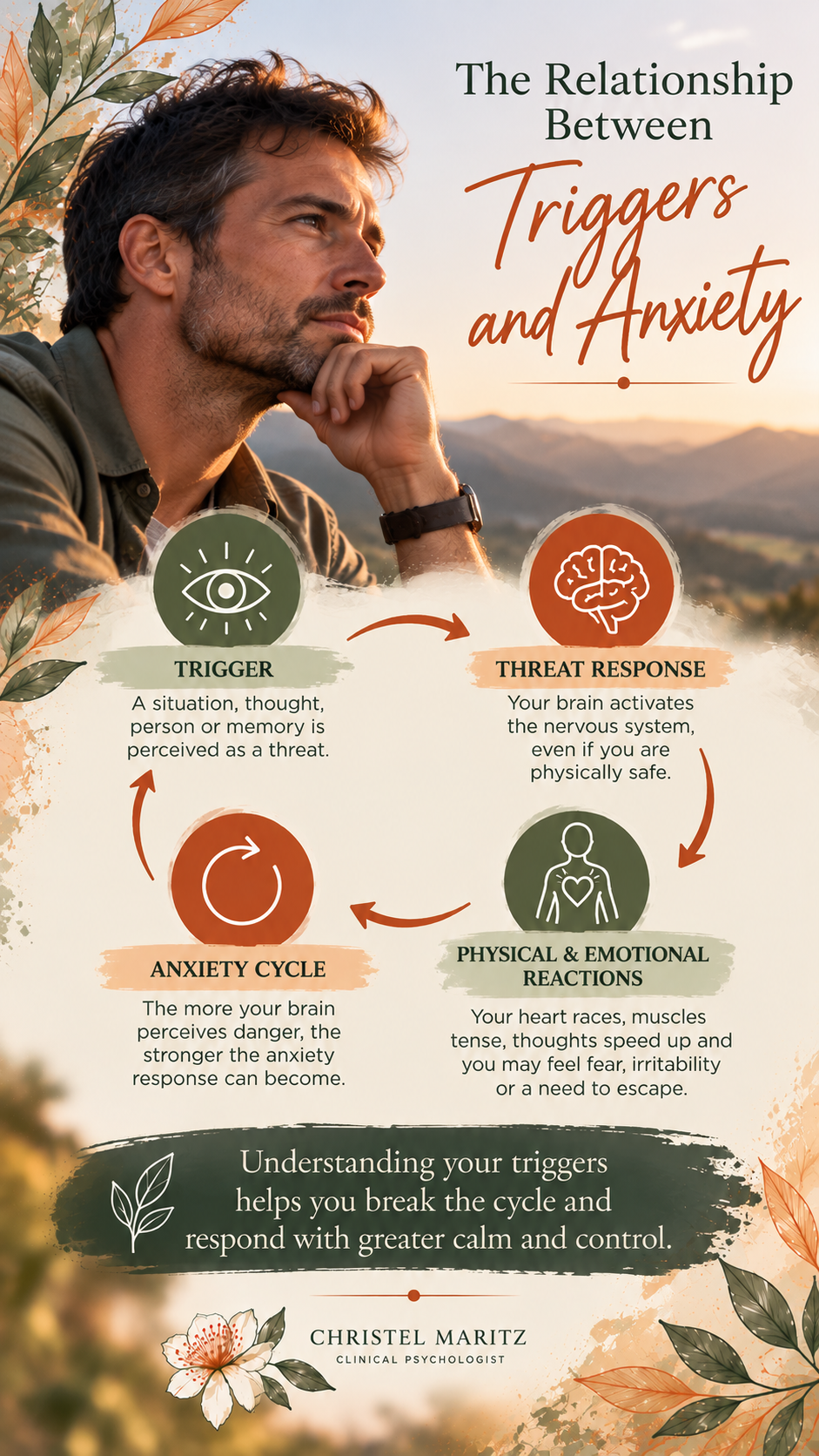 Once identified, addressing anxiety involves a multifaceted approach, with a focus on identifying triggers and implementing healthy coping mechanisms. Start by keeping a journal to track your thoughts, feelings, and behaviors during anxious episodes. This can help pinpoint specific triggers, whether they’re related to certain situations, environments, or thought patterns. Armed with this knowledge, individuals can then work towards replacing these triggers with healthier actions.
Replacing triggers with healthy alternatives involves adopting coping strategies that promote relaxation, mindfulness, and resilience. Techniques such as deep breathing exercises, progressive muscle relaxation, and guided imagery can help alleviate immediate symptoms of anxiety. Additionally, engaging in regular physical activity, maintaining a balanced diet, and prioritizing adequate sleep contribute to overall well-being and resilience against anxiety triggers. Seeking professional guidance from therapists or counselors can also provide valuable insights and personalized strategies for managing anxiety effectively.
Nature of Anxiety
In conclusion, understanding the nature of anxiety, identifying its presence, and addressing it through proactive measures are essential for reclaiming control over one’s mental and emotional well-being. By recognizing the signs and symptoms of anxiety, individuals can take proactive steps towards identifying triggers and replacing them with healthy actions. Through a combination of self-awareness, coping techniques, and professional support, it’s possible to navigate the challenges of anxiety and cultivate a sense of calm and resilience in everyday life.